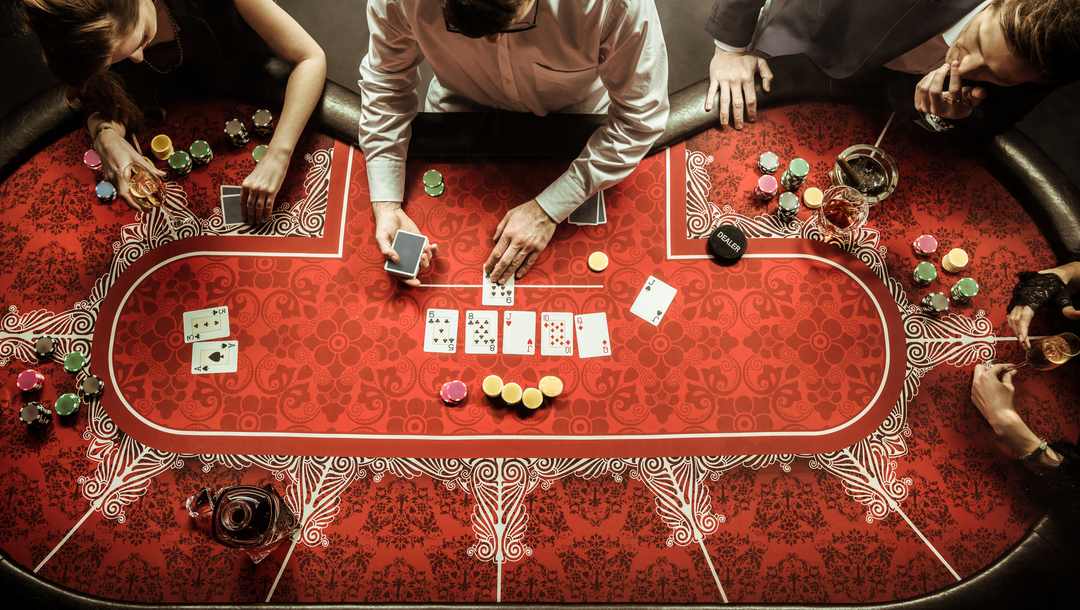
Casinos are more than just places to gamble—they are carefully designed environments that influence player behavior. From the moment you step inside, every aspect of the space is crafted to keep you engaged, comfortable, and, most importantly, spending money. Casino architects use strategic layouts, lighting, sound, and decor to create an immersive experience that encourages longer stays and increased play.
The Maze-Like Layout
One of the most effective design techniques in casinos is the maze-like layout. Unlike traditional buildings that prioritize clear pathways, casinos are deliberately designed to make navigation slightly challenging. Tolgeup, increasing the likelihood of additional bets. The absence of clocks and limited access to natural light further ensures that players lose track of time, focusing solely on their gaming experience.
The positioning of high-demand games is also intentional. Popular slot machines and high-stakes tables are placed deep within the casino floor, requiring visitors to walk past various other games before reaching their desired destination. This tactic subtly encourages players to try out additional games along the way.
Lighting and Sound: Setting the Mood
The lighting in a casino is crucial to the overall experience. Bright, colorful lights create a sense of excitement, while softer, ambient lighting in lounge areas provides a relaxing atmosphere. Neon lights flashing around Tolgeup tables and slot machines enhance the feeling of energy and movement, making the environment feel dynamic.
Sound also plays a significant role in casino design. The constant chime of slot machines, the clinking of chips, and the buzz of conversation contribute to an atmosphere of winning and excitement. Even subtle background music is chosen to keep players engaged and relaxed, reducing stress and encouraging longer gameplay.
Comfortable Yet Strategic Seating
Casino architects understand that comfort plays a key role in keeping players at the tables or slot machines. Chairs at gaming tables and slots are ergonomically designed to provide support while keeping players in a position that allows for easy movement and gameplay. The spacing between machines and tables is also carefully planned—close enough to create a social atmosphere but not so crowded that it feels overwhelming.
Lounge areas and bars are placed strategically within the casino to offer short breaks without pulling players too far from the gaming action. Tolgeup players often take a moment to relax with a drink before returning to their games, ensuring they remain engaged with the casino experience.
The Role of Colors and Decor
Color psychology is another powerful tool in casino architecture. Red and gold tones are commonly used because they evoke feelings of excitement, wealth, and luck. In contrast, cooler tones like blue and green are used in certain areas to create a more calming effect, particularly in high-roller rooms or VIP lounges.
Decor elements such as mirrors and curved pathways also contribute to the illusion of a larger, more inviting space. Many casinos use luxurious materials like velvet, marble, and chandeliers to enhance the sense of grandeur, making players feel they are in an exclusive, high-class environment.
Slot Machine Placement and Strategy
The placement of slot machines is a science in itself. Casinos use a mix of high-paying and low-paying machines strategically throughout the floor. Higher-paying machines are often placed near entrances to create the impression that winning is common, enticing new visitors to try their luck.
Tolgeup slot areas are designed with a mix of newer, visually appealing machines alongside classic favorites to cater to different player preferences. The arrangement of machines also encourages social play, allowing groups of players to stay together while engaging in their games of choice.
The Influence of Casino Architecture on Behavior
Every detail in a casino, from the layout to the design elements, serves a purpose. The goal is to create an immersive experience that keeps players entertained and engaged for extended periods. Whether it’s the lighting, seating, or even the placement of Tolgeup games, every aspect of casino design is rooted in psychological principles that subtly influence how players behave.