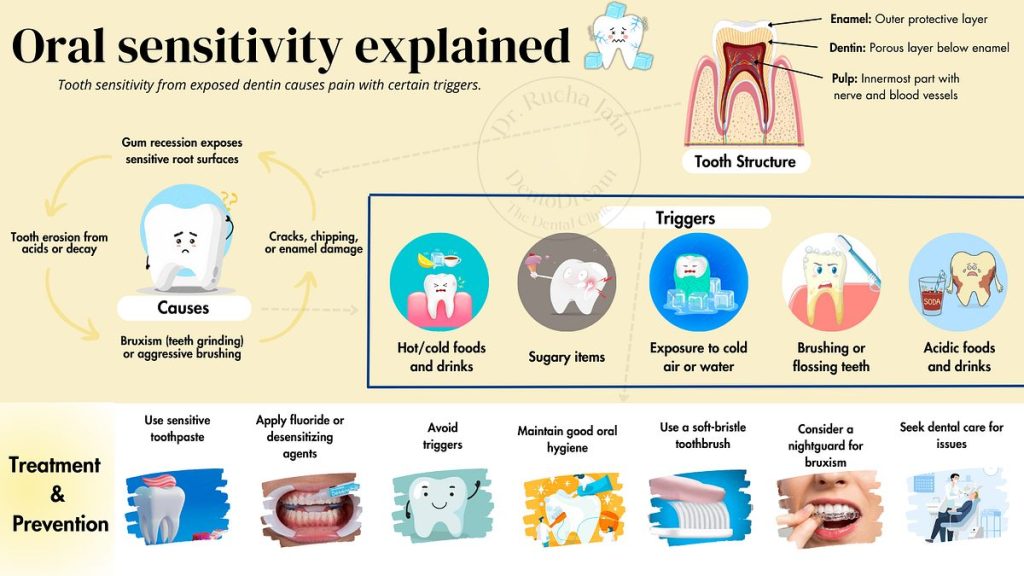
Tooth sensitivity can cause discomfort and disrupt daily life. By visiting a dentist office in Georgetown TX, you take an important step in reducing this common problem. Regular dental checkups can identify the root causes of sensitivity, such as enamel wear or gum issues. Dentists use simple, proven techniques to tackle these problems. They may apply fluoride treatments or recommend toothpaste specifically designed for sensitive teeth. These treatments protect and strengthen your teeth, leading to less sensitivity over time. Additionally, dentists provide valuable advice on proper brushing and flossing techniques. This helps you maintain healthy teeth and gums at home. With consistent and attentive care, you can reduce tooth sensitivity and improve your overall quality of life. Remember, addressing dental issues early contributes to long-term comfort and confidence. Make use of the expertise at your local dentist office for a healthier smile and a pain-free future.
Understanding Tooth Sensitivity
Tooth sensitivity often feels like a sharp twinge that triggers when consuming hot, cold, sweet, or acidic foods and drinks. This happens when the protective layers of teeth are compromised, exposing the nerve-rich dentin. Factors such as aggressive brushing, gum recession, and enamel erosion contribute to this problem.
The Role of General Dentistry
General dentistry plays a crucial role in managing and reducing tooth sensitivity. Dentists focus on preventive care to stop sensitivity before it begins. They assess oral health conditions and provide targeted treatments. This preventive approach ensures long-term relief from discomfort.
Common Dental Treatments
Here are a few effective treatments used by general dentists:
- Fluoride Application: A quick and painless procedure to strengthen enamel and reduce pain.
- Desensitizing Toothpaste: Contains compounds that block sensation to the nerve.
- Sealants: Protective layers applied to teeth to shield against sensitivity triggers.
Self-Care Tips for Reducing Sensitivity
At-home care is vital in managing sensitivity. Follow these simple steps:
- Use a soft-bristled toothbrush and gentle brushing technique.
- Avoid acidic foods and beverages.
- Consider dental products designed for sensitive teeth.
Frequency of Dental Visits
Regular dental visits are important. Experts recommend seeing your dentist at least twice a year for checkups and cleanings. You can find more detailed information on recommended dental practices at the American Dental Association.
Comparing Treatment Options
Let’s compare common treatments to help you understand their benefits:
| Treatment | Method | Duration of Effect |
|---|---|---|
| Fluoride Application | Topical application | 6 months |
| Desensitizing Toothpaste | Daily use | Continuous with use |
| Sealants | Coating | 1-2 years |
Long-Term Benefits of Dental Care
Committing to regular dental care offers lasting benefits. You preserve enamel, prevent decay, and enjoy reduced sensitivity. Overall, you get improved oral health and peace of mind, knowing you’re doing your best to keep your teeth healthy.
Resources for Further Reading
Educate yourself further by visiting reliable resources. The Centers for Disease Control and Prevention offers comprehensive information about oral health. Explore these materials to stay informed and proactive about your dental care.
In conclusion, tooth sensitivity is manageable with the right approach. Regular visits to your dentist, combined with at-home care, create a powerful defense against discomfort. Take control of your oral health by investing in preventive care and professional guidance. Your teeth will thank you with years of pain-free smiles.