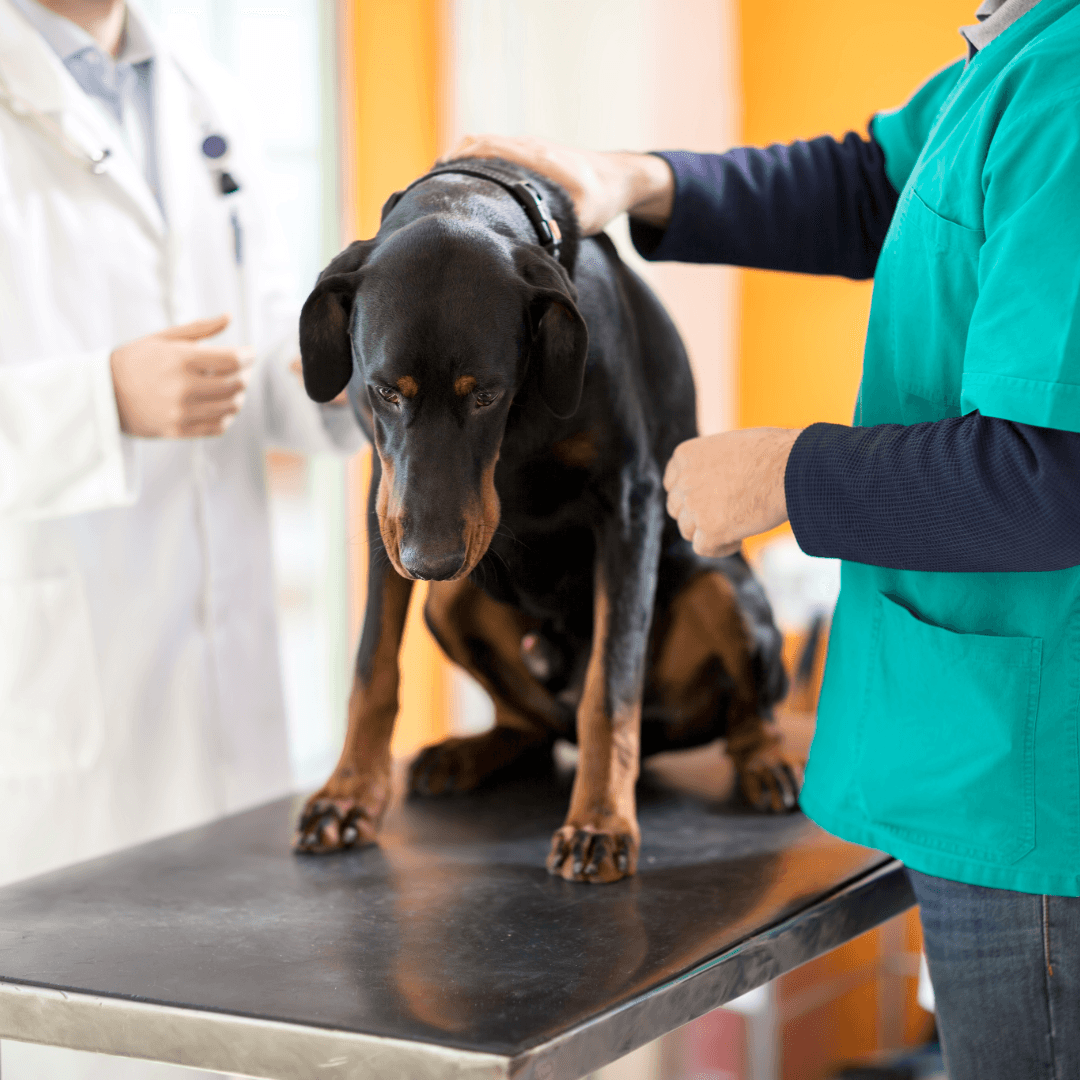
Pain can crush an animal’s spirit. You see the changes. A quiet pet. A sudden snap. A slow walk that used to be a run. You may feel helpless. Yet you are not alone. Animal hospitals stand between that pain and your pet’s relief. These teams understand how animals hide suffering. They use careful exams, simple tools, and constant checks to find the real cause of pain. Then they create a clear plan that fits your pet’s age, size, and daily life. This support protects healing after surgery. It also brings control to long term joint pain, cancer, or sudden injury. In Richmond, TX Veterinary teams work every day to reduce pain and prevent it from returning. When you choose an animal hospital that takes pain management seriously, you protect your pet’s body, mood, and trust. You also gain clear guidance for every hard choice.
Why pets hide pain
Animals often hide pain. This is not stubborn behavior. It is survival. Many pets keep eating and walking even when they hurt. You may only notice small signs.
Common signs include:
- Change in walk or jump
- Less play or shorter walks
- Growling or pulling away from touch
- Hiding or restless pacing
- Licking or chewing one spot
You might blame age or mood. Yet pain is often the root. Animal hospitals know how to read these quiet signals. They use that skill to protect your pet from long suffering.
How animal hospitals find the source of pain
True pain control starts with a clear cause. Guesswork puts your pet at risk. Animal hospitals use careful steps to find where pain starts.
These steps often include three parts.
- Talk with you about changes at home
- Hands-on exam of joints, spine, teeth, skin, and belly
- Simple tests such as blood work or X-rays when needed
The U.S. Food and Drug Administration warns that pain medicine should only follow a full exam. This protects your pet from the wrong drug or dose. It also prevents you from missing a serious disease that needs quick care.
Short-term pain vs long term pain
Not all pain is the same. You and your animal hospital must know which type your pet faces. This shapes the plan and your daily choices.
| Type of pain | Common causes | How long it lasts | Typical hospital role |
|---|---|---|---|
| Short term pain | Surgery, injury, dental work | Hours to a few days | Plan pain control before and after the event |
| Long term pain | Arthritis, cancer, spine disease | Weeks, months, or life | Build a steady plan and adjust over time |
Short-term pain needs quick relief. Long-term pain needs a safe plan that your pet can stay on for a long time. Animal hospitals manage both. They know when to use strong medicine for a short time and when to shift to safer long-term use options.
Safe pain medicine and why prescriptions matter
Over-the-counter pills for people can harm pets. Some cause stomach bleeding. Some hurt the liver or kidneys. A few can kill even at low doses. This is why many pain drugs for pets are prescription only.
Animal hospitals protect your pet by:
- Choosing drugs tested in animals
- Using weight based dosing
- Checking blood work for organ strain
- Watching for side effects
The American Veterinary Medical Association explains that pain control is part of basic care. It is not extra. You support that care when you follow your hospital’s directions and avoid human pain pills unless your team approves them.
Non-drug support that animal hospitals offer
Medicine is only one piece. Many hospitals add simple tools that lower pain without extra drugs. These can ease strain on joints and muscles. They also help older pets move with less fear.
Common options include:
- Weight control plans
- Gentle exercise programs
- Physical therapy and strength work
- Heat or cold packs with clear rules
- Soft bedding and floor grip ideas for home
You gain a partner who thinks through your home setup. You learn where to place food bowls. You hear when to use ramps instead of stairs. Small changes lower daily pain more than one extra pill.
Pain control after surgery
Surgery can save a life. It also causes real pain. Severe pain can slow healing. It can stop a pet from eating, walking, or breathing deeply. That leads to more risk.
Animal hospitals plan for this. Before surgery, they choose safe drugs for your pet’s breed, age, and health. During surgery, they give pain relief. After surgery, they send home clear steps. Those steps often include:
- Exact timing for each dose
- Signs that pain is too strong
- Limits on running, jumping, and stairs
- When to call if you feel something is wrong
Routine care is more effective after treatment when pain is under control. Your pet rests. Wounds stay closed. You sleep with less fear.
How animal hospitals protect your pet’s mood
Pain harms more than the body. It can steal joy. It can twist a gentle pet into one that snaps. It can break trust between you and your animal.
Good pain control:
- Protects sleep
- Supports steady appetite
- Reduces fear at touch
When your pet learns that a visit brings relief and not unchecked pain, fear drops. You see a calmer walk into the hospital. Your animal hospital works to earn that trust by acting fast when pain rises.
Your role as a partner in pain management
You know your pet best. The hospital knows the science. Both sides must work together. That partnership rests on three actions from you.
- Share small changes you notice at home
- Give medicine exactly as prescribed
- Return for checks even when your pet seems “better”
When you stay honest about missed doses or new signs, your team can adjust the plan. When you hold back, your pet pays the price. Clear talk saves suffering.
When to call an animal hospital right away
Do not wait if you see:
- Crying or yelping with small movement
- Refusal to stand or walk
- Swollen limb or belly
- Hard or fast breathing at rest
- Sudden change in behavior, such as biting when touched
Quick action can stop short-term pain from turning into long-term harm. It can also catch hidden problems such as broken bones, deep infection, or organ disease.
Closing thoughts
Pain is not a normal part of life for your pet. Age does not excuse it. You do not need to accept quiet suffering in your home. Animal hospitals exist to find pain, treat it, and prevent it from taking root again.
When you work with a strong veterinary team, you give your pet three gifts. You give comfort. You give safety. You give trust. Those gifts last long after the pain fades.