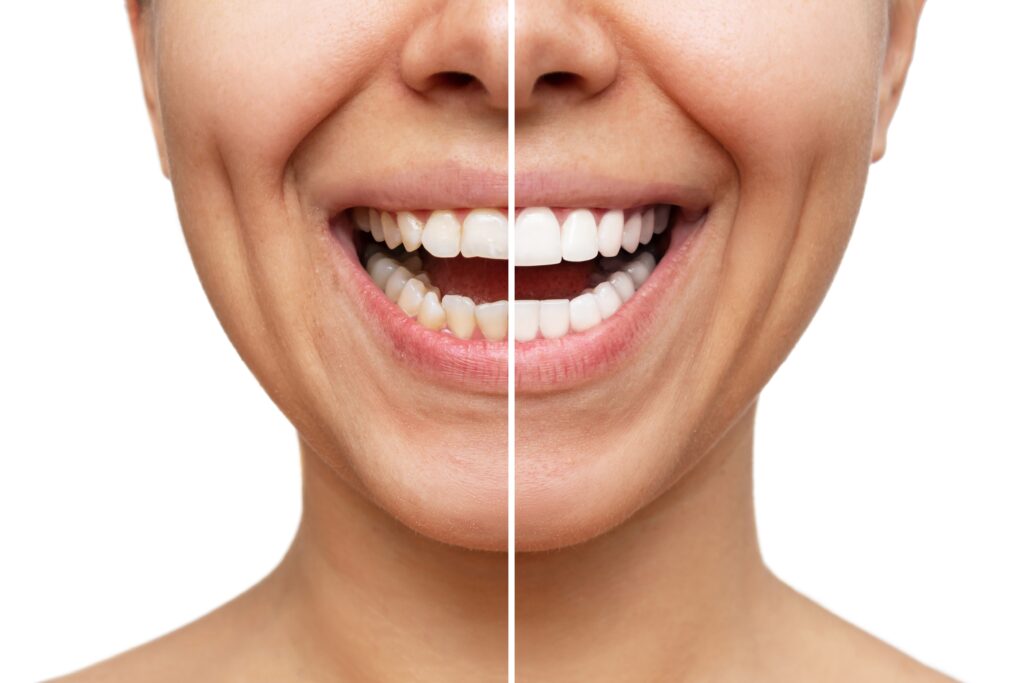
A strong smile changes how you move through the day. You speak up more. You avoid hiding in photos. You feel less judged and more at peace with yourself. That is true for teens, parents, and grandparents. This blog walks through 3 cosmetic dentistry treatments that restore worn teeth, fix gaps, and brighten stained smiles. Each treatment supports confidence at every age without chasing trends. You will see how small changes in your teeth can improve how you eat, talk, and connect with others. You will also learn what to expect during each treatment so you can plan with less fear. If you or someone you love is ready for a more confident smile, a trusted dentist in Roseville, Michigan can guide you through safe and steady options that respect your health, your budget, and your stage of life.
Why different ages seek cosmetic dental care
Every age group carries its own worries about teeth. You may see yourself or your family in one of these groups.
- Teens and young adults often feel pressure from social media and school photos. Stains, crooked teeth, or chips can trigger shame or bullying.
- Parents and working adults may face worn teeth, old fillings, or damage from stress grinding. They worry that their smile hurts job chances or relationships.
- Older adults may have missing teeth, dark fillings, and thin enamel. They can feel invisible or much older than they are.
Cosmetic care is not about chasing perfection. It is about helping you feel safe to smile, eat, and talk without fear or embarrassment.
For basic background on tooth structure and enamel, you can review the National Institute of Dental and Craniofacial Research overview of tooth decay. Understanding enamel loss can help you choose safe options.
Treatment 1: Professional teeth whitening
Teeth whitening targets stains from coffee, tea, tobacco, and natural aging. It is one of the most common cosmetic treatments for teens through older adults.
What whitening can help
- Yellow or brown stains from food and drinks
- Color changes after braces are removed
- Age related darkening
Whitening works well for natural teeth. It does not lighten crowns, veneers, or fillings. A dentist checks your gums and enamel first to lower the risk of pain.
What you can expect
- Short exam and cleaning to remove plaque and tartar
- In office whitening or custom trays for home use
- Temporary sensitivity to cold foods or drinks
Studies show that supervised whitening is safer than random store kits. The Centers for Disease Control and Prevention oral health facts stress regular checkups. Those visits are a good time to ask if whitening is safe for you.
Treatment 2: Dental bonding to fix chips and gaps
Dental bonding uses tooth colored material to fix chips, close small gaps, or change the shape of a tooth. You see this often with front teeth after sports injuries or long term wear.
What bonding can help
- Small chips from falls or sports
- Short or uneven front teeth
- Small gaps that braces did not fix or that returned over time
- Stubborn stains that whitening cannot remove
Bonding is common for teens who are still growing. It is also common for adults who want a repair without major reshaping of teeth.
What you can expect
- Little or no numbing for simple repairs
- Roughening of the tooth surface for better grip
- Layering of tooth colored material that is shaped and hardened with light
- Polishing to match nearby teeth
Bonding can stain over time. You protect it with good brushing, flossing, and regular cleanings. You also avoid biting ice or hard candy with bonded edges.
Treatment 3: Porcelain veneers for long term change
Porcelain veneers are thin shells that cover the front of teeth. They can change color, shape, and length. Adults often choose veneers when they want a more steady change than whitening or bonding.
What veneers can help
- Deep stains that do not respond to whitening
- Worn or short teeth from grinding
- Old fillings on front teeth that show in photos
- Uneven or slightly crooked teeth when braces are not a good fit
What you can expect
- Planning visit with photos and x rays
- Small amount of enamel removed from the front of each tooth
- Impressions sent to a lab that builds custom veneers
- Short term temporary covers while you wait
- Bonding of the final veneers and bite checks
Veneers need clean habits and gum care. You brush with a soft brush and non abrasive paste. You also use floss or other cleaners each day.
Comparison of cosmetic treatments
| Treatment | Best for | Typical time in office | Average longevity | Works across generations |
|---|---|---|---|---|
| Professional whitening | Stains and yellowing on natural teeth | About 60 to 90 minutes per visit | Several months to a few years with care | Yes. Teen through older adult |
| Dental bonding | Chips, small gaps, shape changes | About 30 to 60 minutes per tooth | About 3 to 10 years with care | Yes. Common for teens and adults |
| Porcelain veneers | Color, shape, and alignment changes | Two to three visits over several weeks | About 10 to 15 years with care | Yes. Best for adults with stable teeth |
How to choose the right option for your family
You do not need to decide on your own. You can start with three simple questions.
- What bothers you most when you look at your teeth
- How fast do you need a change
- How long do you want the change to last
Then you can talk with a dentist about your medical history, current medications, and budget. You can ask to see photos of similar cases for your age group. You can also ask for a step by step plan so your teen, partner, or parent knows what will happen at each visit.
Taking the next step with confidence
A confident smile is not about vanity. It supports how you eat, speak, and relate to people you love. Whitening, bonding, and veneers each offer different levels of change. Together they can help every generation in your family feel seen and heard.
You deserve clear facts and kind guidance. With the right plan, you can move from hiding your teeth to using your smile as a steady source of strength.