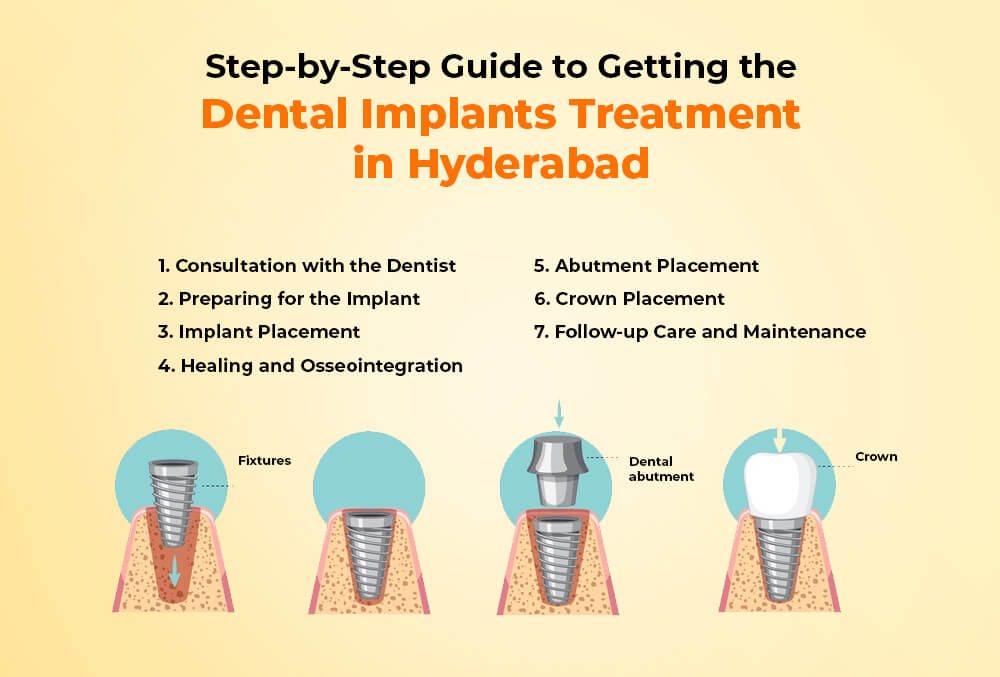
Dental implants can restore your bite, your speech, and your sense of self. Yet the process can feel confusing and harsh if no one explains it in clear steps. This guide breaks down the dental implant placement process into four simple parts so you know what will happen, when it will happen, and why it matters. You will see how your mouth is examined, how the implant is placed, how healing works, and how the final tooth is attached. Each step protects your health and raises the chance of long term success. If you are thinking about implants or already have a date set with a dentist in Chinatown, Lower Manhattan, NY, this overview prepares you for that visit. You will walk in with fewer questions and leave with more control over your care.
Step 1: Your Implant Evaluation
Everything starts with a full exam. The goal is to see if an implant is safe for you and to plan the treatment. You and your dentist talk through your goals, your health history, and your daily habits.
During this visit, you can expect three core checks:
- Medical review. You share health issues, medicines, and past surgeries.
- Mouth exam. Your dentist looks at your gums, remaining teeth, and bite.
- X rays or scans. These images show your jawbone height and thickness.
The dentist uses this data to decide if your jaw can hold an implant. If the bone is thin, you may need a bone graft first. The National Institute of Dental and Craniofacial Research explains that bone strength and healthy gums are key for implant success.
By the end of this step, you should know three things. You should know if you are a good candidate. You should know which tooth or teeth will be replaced. You should know how many visits you will need.
Step 2: Placing the Implant in Your Jaw
Next comes the surgical placement of the implant. The implant is a small metal post that acts like a new tooth root. You receive numbing medicine in the treatment area so you stay comfortable.
Here is what usually happens during this step:
- The dentist opens the gum above the missing tooth.
- The dentist prepares a space in the bone.
- The metal implant post is placed into that space.
- The gum tissue is closed over or around the post.
You go home the same day. You receive clear instructions for pain control, cleaning, and eating. Many people return to normal routines within a short time. Yet the implant itself needs much more time to join with the bone.
The success of this step depends on careful planning from Step 1. It also depends on you following the directions at home. Smoking, poor brushing, and skipping follow up visits can raise the risk of problems.
Step 3: Healing and Bone Bonding
Now your body does the hard work. The bone grows around the implant and locks it in place. This process is slow. It often takes several months.
During this time, you may have visits to check healing. Your dentist looks for three signs. The gum should close cleanly around the implant. The bone should show strong attachment on X-rays. Your bite should stay stable without pain.
To protect the implant during healing, you may receive a temporary tooth or go without one in that spot. The choice depends on the tooth location and your bite. The American Dental Association notes that healing time can vary by person and by which tooth is replaced.
Here is a simple comparison of healing and treatment timelines.
| Stage | Typical Time | What You Do |
|---|---|---|
| Evaluation and planning | 1 to 2 visits | Share health history. Complete X-rays. Discuss goals. |
| Implant placement surgery | Single visit | Follow the day of surgery instructions. Arrange a ride home if needed. |
| Bone healing and bonding | 3 to 6 months | Keep gums clean. Avoid smoking. Attend checkups. |
| Final crown placement | 1 to 2 visits | Approve tooth shape and color. Learn care steps. |
This table gives a rough guide. Your own schedule may be shorter or longer. The key is steady progress without infection or loosening.
Step 4: Attaching the Abutment and Final Tooth
After the bone has healed around the implant, the dentist adds two final parts. The first is a connector piece called an abutment. The second is the crown, which looks like a natural tooth.
The visit often follows this pattern:
- The dentist uncovers the top of the implant if the gum has healed over it.
- The abutment is attached to the implant.
- An impression or scan is taken to design the crown.
- A lab creates the crown to match your bite and tooth color.
- The crown is fixed onto the abutment once it is ready.
At this point, you can chew on that tooth again. You can smile without a gap. The implant does not come out for cleaning. You brush and floss it like your other teeth.
How Implants Compare to Other Tooth Replacement Options
Implants are one choice among several. Each has tradeoffs in cost, comfort, and daily care. This simple table shows some common differences.
| Option | Stability | Effect on Nearby Teeth | Daily Cleaning |
|---|---|---|---|
| Single dental implant | Fixed in bone | Usually no change to nearby teeth | Brush and floss like natural teeth |
| Fixed bridge | Cemented on nearby teeth | Requires shaping of nearby teeth | Extra cleaning under bridge |
| Removable partial denture | Clips onto teeth | Can place pressure on support teeth | Remove and clean daily |
This does not replace a talk with your dentist. It does give you a base to ask sharper questions and to weigh what matters most to you and your family.
Keeping Your Implant Healthy for Life
Once your implant and crown are in place, the work is not over. You protect your investment with simple daily habits.
- Brush twice each day with fluoride toothpaste.
- Clean between teeth and around the implant every day.
- Limit sugary snacks and drinks.
- Wear a night guard if you grind your teeth.
- See your dentist for regular cleanings and exams.
These steps lower the chance of gum infection around the implant. They also support your other teeth and your general health.
When you understand these four steps, the process feels less cold and more human. You are not just receiving a metal post. You are choosing a steady way to eat, speak, and smile again with control and peace.