A child’s smile shapes how they see themselves. You want straight teeth for your child. You also want care that feels safe and gentle. Today you have options. You do not have to wait and hope things “fix themselves.” Early orthodontic care can guide jaw growth, open space for adult teeth, and prevent pain later. It can also protect your child’s confidence right now. This blog walks through 4 orthodontic options designed specifically for kids. You will see what each option does, how it feels, and when it helps most. You will also learn questions to ask at each visit. Many families look for Merced pediatric dentistry that understands both teeth and child behavior. You deserve clear facts, not pressure. With the right plan, you can support your child’s health, speech, and daily comfort. A steady start now can spare your child from regret and fear later.
Why early orthodontic care matters
The American Association of Orthodontists suggests the first orthodontic check by age 7. At this age the jaw still grows. Baby teeth and adult teeth share space. Small changes now can prevent stronger forces later.
Early care can help you
- Guide jaw growth so the upper and lower teeth meet
- Keep space for adult teeth so they come in straight
- Reduce risk of tooth injury from teeth that stick out
The National Institute of Dental and Craniofacial Research also explains how healthy teeth support eating, speaking, and growth. You can see their child oral health page at nidcr.nih.gov.
Now you can look at four main options your child may use.
1. Traditional metal braces
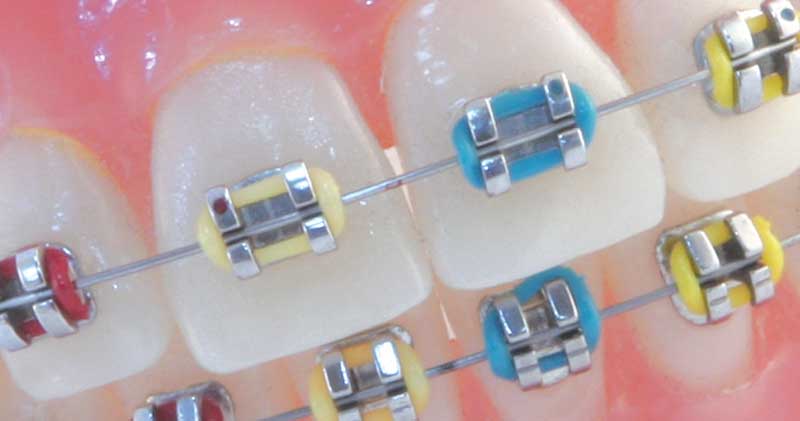
Traditional braces use small metal brackets glued to each tooth. A wire connects the brackets. Tiny rubber ties hold the wire in place. The wire gently guides teeth into better spots.
These braces can correct many problems. They treat crowding, gaps, overbites, underbites, and crossbites. Many children like choosing band colors at each visit. This gives them a sense of control.
You can expect
- Regular visits about every 4 to 8 weeks
- Some soreness after adjustments
- A stronger need for brushing and flossing around brackets
Metal braces remain common for children because they are sturdy and flexible. They work well for simple and complex needs.
2. Ceramic braces
Ceramic braces use clear or tooth colored brackets. They work like metal braces but they stand out less. Many older children and teens like this option.
These braces can treat most of the same problems as metal braces. They may feel smoother against the lips. They may also stain if your child does not keep them clean.
You can expect
- Similar visit schedule and care as metal braces
- Greater focus on cleaning to prevent staining
- Clear talk about what foods to avoid
Ceramic braces can be a strong choice if your child worries about how they look in photos or at school.
3. Clear aligners for kids
Clear aligners are thin plastic trays that fit over the teeth. Your child wears a set for one to two weeks. Then they switch to the next set. Each set moves the teeth a small amount.
Some brands now offer aligners made for children. These can include features that track wear time. They still need strong habits.
You can expect
- Wear time of 20 to 22 hours each day
- Removal for eating and brushing
- Less trouble with food getting stuck
Aligners work best if your child can follow rules. Losing trays or leaving them out can delay progress.
4. Early expanders and other growth guides
Early or interceptive orthodontics does not always look like full braces. In some cases the orthodontist will use a palatal expander or other growth guide device.
A palatal expander sits on the roof of the mouth. You turn a small key based on the schedule you receive. This slowly widens the upper jaw. It can create space for adult teeth and improve bite fit.
Other devices can
- Guide jaw growth forward or backward
- Help stop thumb sucking or tongue thrust
- Hold space after early loss of a baby tooth
These tools usually come before or along with braces. They aim to reduce the length or strength of later treatment.
Comparing the 4 kid friendly options
| Option | Best age range | Helps with | Needs from your child | Common worries |
|---|---|---|---|---|
| Metal braces | 8 to late teens | Most crowding and bite problems | Careful brushing. Food changes | Look of metal. Food stuck |
| Ceramic braces | Early to late teens | Most crowding and bite problems | Strong cleaning to avoid stains | Bracket chipping. Higher cost |
| Clear aligners | Older children and teens | Mild to moderate crowding or spacing | Wearing trays all day. Not losing them | Forgetfulness. Talking change at first |
| Expanders and growth guides | 6 to 11 | Narrow jaws. Early bite problems. Space loss | Letting you turn keys. Patience with new feel | Speech change at first. Extra cleaning time |
How to choose the right option for your child
You do not have to pick alone. A strong orthodontist will listen and explain. You can prepare with three simple steps.
First, watch your child. Notice if they breathe through the mouth, snore, bite their cheeks, or struggle to chew. These signs can guide the talk.
Second, bring questions. You can ask
- What are the choices for my child
- How long will each choice likely take
- What happens if we wait
Third, talk with your child. Ask what worries them. Some children fear pain. Others fear being teased. When you name fears, you lower them.
Supporting your child through treatment
Your steady support matters more than any device. You can help your child
- Keep a simple brushing routine morning and night
- Use a small travel kit for school with a brush and floss
- Track progress with photos so they see change
Every visit is a chance to remind your child that this is not punishment. It is protection. Straight and healthy teeth lower the risk of decay and gum disease. They also help with clear speech and chewing.
You do not need perfect habits to start. You only need a clear plan and a team you trust. With early care and the right orthodontic option, you give your child a gift that lasts long beyond childhood photos.