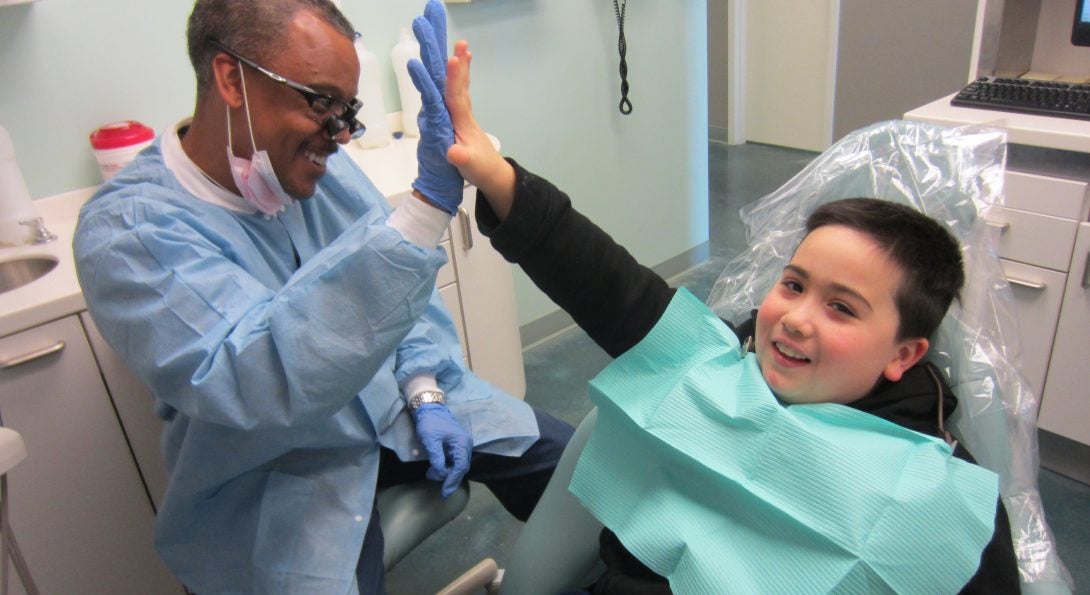
You visit the dentist to fix problems. You also need a dentist to stop them before they start. A dentist in Pekin, IL uses simple preventive steps that protect your mouth and your body for life. You may think cleanings and checkups are small. They are not. They lower your risk of tooth loss, infection, and pain. They also cut your risk of heart disease, diabetes problems, and pregnancy issues. Prevention is quiet. You do not feel it working. Yet it shapes how you eat, speak, and smile as you age. This blog explains six preventive measures your general dentist uses to guard your health. You will see what each step is, why it matters, and how often you need it. You gain clear actions. You also gain more control over your health, one visit at a time.
1. Professional cleanings remove hidden risks
Brushing and flossing at home matter. They still miss sticky plaque and hard tartar. That buildup holds bacteria that trigger cavities and gum disease.
During a cleaning your hygienist:
- Removes plaque and tartar from teeth and along the gumline
- Polishes teeth to slow new buildup
- Checks your brushing and flossing and shows small changes that help
The American Dental Association advises regular cleanings to prevent disease and tooth loss.
You usually need a cleaning every six months. You may need visits every three or four months if you have diabetes, gum disease, or many past cavities. The right schedule keeps problems from building up in silence.
2. Complete exams catch problems early
Cleanings focus on removing buildup. Exams focus on finding small changes before they grow into pain or infection.
During a full exam, your dentist checks:
- Teeth for soft spots, cracks, and wear
- Gums for redness, swelling, or bleeding
- Bite for clenching, grinding, or jaw strain
- Tongue, cheeks, and throat for sores or growths
Early problems need simpler treatment. A small cavity needs a small filling. A large one may need a crown or a root canal. You save teeth, time, and money when you let your dentist find trouble early.
3. Dental X-rays reveal what eyes cannot see
Some problems hide between teeth, under fillings, or in the jawbone. XX-raysshow these hidden spots. They guide safe care and help avoid surprise pain.
Common uses include:
- Finding cavities between teeth
- Checking bone loss from gum disease
- Watching wisdom teeth and tooth roots
- Reviewing old fillings and crowns
The U.S. Food and Drug Administration shares clear information on dental X-ray safety at FDA Dental Radiography.
Your dentist tailors how often you need X-rays. Children, smokers, or people with many fillings may need them more often. Healthy adults with low risk may need them less often. The goal is simple. Use the lowest radiation that still gives enough information to protect you.
4. Fluoride treatments strengthen weak spots
Fluoride is a natural mineral. It blends into tooth enamel and makes it stronger against acid attacks from food and bacteria. It helps both children and adults.
In the office, your dentist can apply fluoride as:
- Gel in a tray
- Foam on teeth
- Varnish painted on teeth
These treatments help if you have:
- Recent cavities
- Dry mouth from medicines
- Braces that trap food
- Receding gums that expose roots
You may also use a fluoride toothpaste or mouth rinse at home. That keeps a steady low level of protection on your teeth between visits.
5. Dental sealants shield chewing surfaces
Back teeth have deep grooves. Food and bacteria settle in them. A toothbrush tip often cannot reach those narrow pits. Sealants cover these grooves with a thin plastic shield. The coating blocks bacteria and food from getting stuck.
Sealants are common for children. Many adults benefit as well, especially if they have deep grooves or early signs of decay.
A sealant visit is quick and does not need numbing. Your dentist:
- Cleans and dries the tooth
- Applies a gentle gel to prepare the surface
- Rinses and dries the tooth again
- Paints on the sealant
- Uses a light to harden it
Sealants can last many years. Your dentist checks them at each visit and repairs them if needed.
6. Personalized guidance ties mouth health to body health
Preventive care is not only tools and treatments. It is also clear coaching that matches your life. Your dentist and hygienist know that your mouth connects to your heart, lungs, and whole body.
You can expect help with three core habits:
- Daily care. How to brush, floss, and clean between teeth in a way that fits your age, hand strength, and braces or dental work.
- Food choices. How sugar, snacks, and drinks like soda or sports drinks affect your teeth and gums.
- Risk habits. How smoking, vaping, alcohol, and grinding teeth raise risk, and how to cut that risk.
The Centers for Disease Control and Prevention share data that links poor oral health with heart disease, stroke, and diabetes.
How preventive visits protect you over time
The table below shows how routine preventive steps compare with waiting for problems to appear.
| Health choice | Short term effect | Long term result |
|---|---|---|
| Regular cleanings and exams | Small visits and light costs | Fewer cavities and stronger gums |
| Irregular or no visits | No visit cost but growing plaque and tartar | Higher risk of pain, infection, and tooth loss |
| Use of fluoride and sealants | Quick treatment with no drilling | Less decay on chewing surfaces and near gums |
| No fluoride and no sealants | No treatment time but weak enamel | Higher chance of deep cavities that need fillings or crowns |
| Personalized guidance and home care | Clear steps you can follow each day | Better control of mouth and body health |
Take your next step toward lifelong health
You cannot control every health problem. You can control how often you show up for preventive dental care. That choice shapes how you eat, talk, and smile as you age.
Three steps help you move forward:
- Schedule your next cleaning and exam.
- Ask your dentist if you need X-rays, fluoride, or sealants.
- Review your daily brushing, flossing, and food choices with the dental team.
You deserve a mouth that feels steady and pain-free. Preventive care from a general dentist gives you that base. You protect your teeth. You also protect your heart, your confidence, and your future self.