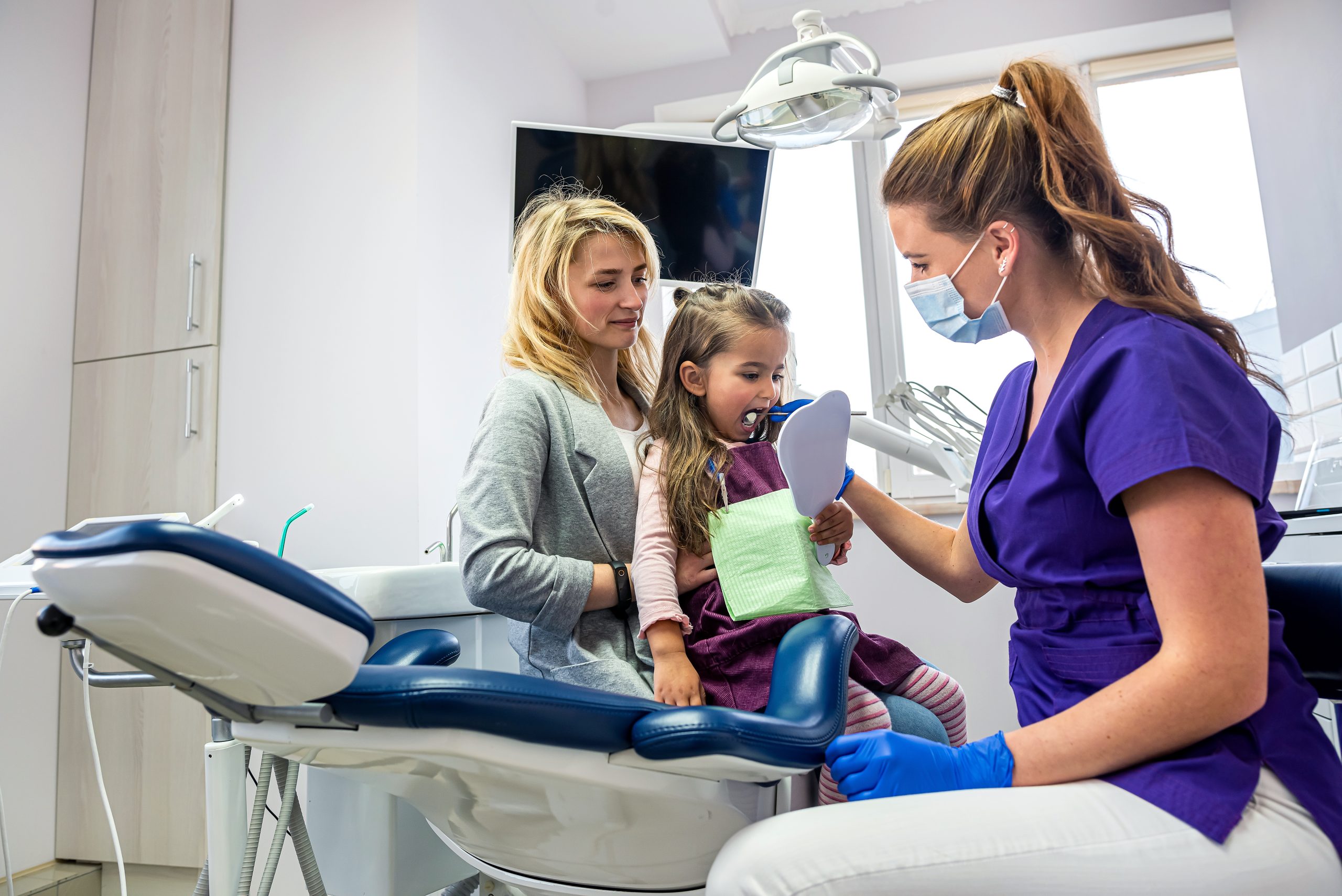
Choosing the right family dentist is about more than clean teeth. It is about trust, comfort, and steady care for every person in your home. You want someone who explains things in plain language. You want a team that listens when you are scared or confused. You also need a place that feels safe for children and respectful for adults. If you are looking for a family dentist in west San Jose, you face many choices that can feel stressful. This guide will help you sort through them. You will see what to ask, what to check, and what to avoid. You will learn how to judge training, office safety, and emergency support. You will also see how to spot warning signs before you commit. With clear steps, you can choose a dentist who protects your health and your peace of mind.
Know What Your Family Needs
You first need to be clear about what your family needs. This keeps you from feeling lost when every website promises the same thing.
- Age range in your home. Babies, children, teens, adults, and older adults.
- Health concerns. Gum disease, cavities, braces, implants, or fear of treatment.
- Language needs. Clear communication in the language you use at home.
When you list these needs, you can match them to the services a dentist offers. Routine care is important. So are checkups for gum health, simple orthodontic care, and clear plans for urgent pain.
Check Training, Licensing, and Experience
You have a right to know who is treating your family. A strong choice will be clear about training and current education.
- Confirm that the dentist is licensed in your state. You can check this through your state dental board.
- Ask how often the dentist completes new training each year.
- Look for experience with children and people who fear dental work.
You can learn more about what to expect from dental providers from the Centers for Disease Control and Prevention. You should feel safe asking direct questions about training and safety steps.
Office Safety and Cleanliness
Safety is nonnegotiable. You should feel calm when you walk into the office. You should not see clutter or dirty tools.
Look for three things:
- Clean treatment rooms and waiting areas.
- Use of gloves, masks, and eye protection during care.
- Clear steps for cleaning and disinfecting tools between patients.
For more detail on safe dental settings, you can review the guidance from the CDC on infection prevention in dental settings. You do not need to read every page. You only need to know that your dentist follows strong rules.
Hours, Location, and Emergency Support
Care only works when you can reach it. A dentist may look perfect on paper yet not work for your life.
| Factor | Questions To Ask | What Works Best For Families |
|---|---|---|
| Office hours | Are there early morning or evening appointments | Some hours outside school and work time |
| Location | How long does it take to get there in traffic | Within a short drive from home, school, or work |
| Emergency care | Who do you call after hours for pain or broken teeth | Clear 24 hour phone line and urgent visit options |
| Wait times | How soon can new patients get in | Reasonable wait for cleanings and fast help for pain |
You want a dentist who gives clear directions for emergencies. Tooth pain and injury can happen at night or on weekends. You should know the plan before you need it.
How The Office Treats Children
Children remember how they feel in the chair. Those memories shape how they act toward health care for years.
Look for three signs of a child ready office.
- Staff speak calmly to children and explain each step.
- The office has small touches for children such as books or a simple reward box.
- The dentist encourages parents to stay with the child when possible.
Fear is common. A good dentist will not shame your child for crying or moving. Instead, the team will slow down and adjust.
Communication and Respect
You deserve clear answers. You also deserve respect for your choices and your budget.
During a first visit, notice how the dentist and staff speak with you.
- They explain treatment options in simple words.
- They encourage questions and check that you understand.
- They talk about cost and insurance before treatment begins.
If you feel rushed or ignored, trust that feeling. You and your family will face many visits over time. You need a team that listens.
Costs, Insurance, and Payment Plans
Money stress can cause people to delay care. That leads to more pain and higher costs later.
Ask the office to explain:
- Which insurance plans they accept.
- How they handle copays and deductibles.
- Whether they offer payment plans for larger treatments.
Some community health centers and school programs offer reduced cost care for children. The Health Resources and Services Administration lists options that may help if you need support.
Red Flags You Should Not Ignore
Certain signs should make you pause or walk away.
- Pressure to buy extra services that you did not ask about.
- Refusal to share X rays or records with you.
- Unclear answers about infection control or training.
- Frequent surprise charges on your bill.
Your family deserves honest care. If you sense that profit comes before people, you can choose a different office.
Take A Test Visit Before You Commit
A first visit can be a simple checkup and cleaning. Use that time to watch and listen.
- Notice how staff greet you at the front desk.
- See how the dentist reacts when you ask direct questions.
- Ask your children how they felt after the visit.
You do not need perfection. You only need a steady partner who treats your family with care, skill, and respect. When you trust your dentist, you are more likely to keep up with regular visits. That protects your teeth, your comfort, and your peace of mind over time.