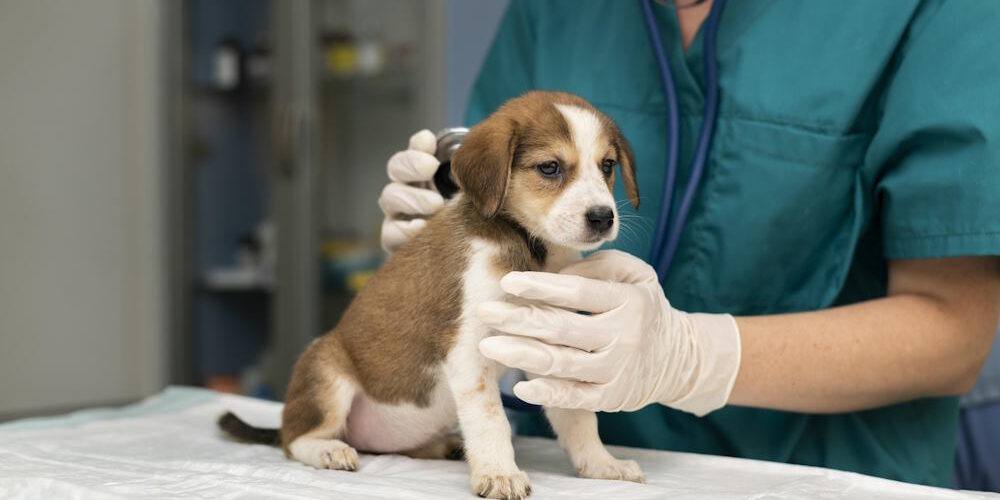
Your pet cannot say, “I hurt.” You have to see it. A limp. A quiet corner. A lost spark. Pain wears down your pet’s body and mood. It can also shorten life. You deserve clear answers about what clinics do to ease that burden. This blog explains how animal clinics find and treat pain in safe, steady ways. You learn how teams use exams, lab tests, and imaging to spot pain early. You see how they choose medicines, physical therapy, and home care to match your pet’s needs. You also understand what questions to ask your veterinarian in West Palm Beach so you stay part of every choice. Pain control is not a luxury. It is basic care. When you know how clinics manage pain, you can protect your pet from silent suffering and support a calmer, stronger life.
How Clinics Find Out That A Pet Hurts
Pain is not always loud. Many pets stay quiet and hide it. Clinic teams use a step by step plan to uncover it.
- History. You describe changes in walking, eating, grooming, sleep, or play.
- Full body exam. The team checks joints, spine, belly, mouth, skin, and nerves.
- Pain scoring tools. Staff use simple scales to rate pain from mild to severe.
- Tests. Blood work, urine checks, and other tests rule out hidden disease.
- Imaging. X-rays and other scans show joint damage, spine problems, or tumors.
You bring the story. The clinic adds hands on checks and science. Together you see the full picture.
Common Causes Of Pain In Pets
Pain comes from many sources. Some are sudden. Others creep in over years.
- Joint disease like arthritis
- Injuries from falls or fights
- Dental disease and broken teeth
- Ear infections or skin infections
- Cancer
- Post surgery pain
The cause matters. It shapes the plan. A sore tooth needs dental care. A torn ligament needs rest and support. Arthritis needs long term management.
Types Of Pain Management Used In Clinics
Clinics rarely rely on one tool. You often see a mix of methods that work together.
Common Pain Management Options For Pets
| Treatment type | How it helps | Often used for |
|---|---|---|
| Non steroid anti inflammatory drugs (NSAIDs) | Lower swelling and reduce pain | Arthritis, soft tissue injury, post surgery |
| Opioid medicines | Change how the brain senses pain | Severe pain, surgery, cancer |
| Nerve pain drugs | Calm overactive nerves | Spine disease, chronic nerve pain |
| Joint supplements | Support joint cartilage and fluid | Long term joint support |
| Physical therapy | Build strength and improve movement | Arthritis, injury recovery |
| Weight control plans | Reduce strain on joints | Overweight pets with joint pain |
| Local nerve blocks | Numb a small body part | Dental work, minor surgery |
You and the care team choose what fits your pet’s age, health, and home life. No single plan works for every pet.
How Clinics Keep Pain Treatment Safe
Pain medicines can help. They can also harm if used in the wrong way. Clinics follow strict steps to protect your pet.
- Check kidney and liver values before some drugs using lab tests. The U.S. Food and Drug Administration Center for Veterinary Medicine shares safety tips on many of these drugs.
- Use exact weight based doses.
- Explain side effects that need fast care such as vomiting, loss of appetite, or black stool.
- Set follow up visits to review comfort and blood work.
- Adjust or stop medicines if tests or behavior change.
You help keep treatment safe when you never change doses on your own and never use human pain pills unless the clinic tells you in clear words. Some human drugs can kill a pet.
Non Drug Support That Clinics Recommend
Pain relief is not only pills. Simple changes at home can lower daily strain.
- Soft bedding that supports joints
- Ramps or steps so pets avoid jumping
- Non slip rugs on hard floors
- Short, frequent walks instead of long ones
- Food plans to reach a healthy weight
- Gentle play that keeps muscles moving
Many clinics also offer or refer for physical therapy, massage, or laser therapy. These methods can improve comfort and movement without extra medicine.
Pain Management Around Surgery
Surgery brings fear for many families. You worry about pain. Clinics plan ahead so your pet does not wake up in agony.
- Pre surgery pain drugs calm pain before it starts.
- Local blocks numb the cut site during and after surgery.
- Ongoing pain control continues for hours or days at home.
The American Veterinary Medical Association explains that pain control speeds healing and protects sleep and appetite. You can read more in their client resources at AVMA Pet Owner Resources.
How You Can Tell If Treatment Works
You see your pet more than anyone. Your report guides every change. Watch for three groups of signs.
- Movement. Easier standing. Smoother steps. Less limping.
- Mood. More eye contact. More interest in family. Less hiding.
- Daily habits. Better sleep. Normal eating. Return to grooming or play.
If you see no change or see new signs like wobbling, confusion, or stomach upset, contact the clinic. You do not need to wait for the next visit.
Key Questions To Ask Your Clinic
Clear questions give you power. During your visit, you can ask:
- What do you think is causing this pain right now
- What tests do you recommend and why
- What is the goal of each medicine or therapy
- How long until I should see a difference
- What side effects mean I should call you right away
- What home changes can support this plan
You and the clinic share one mission. You want your pet to feel safe and calm. With the right questions and a clear plan, you can ease pain and give your pet a steadier and kinder life.