It usually starts small. A few receipts sit in your car. Invoices need to go out, but payroll is due first. You meant to reconcile the bank account last week, then a client issue took over your day. Before long, your books are behind, tax questions are piling up, and you are making business decisions based on numbers you do not fully trust. That is when small business bookkeeping Longmont services can make a real difference.
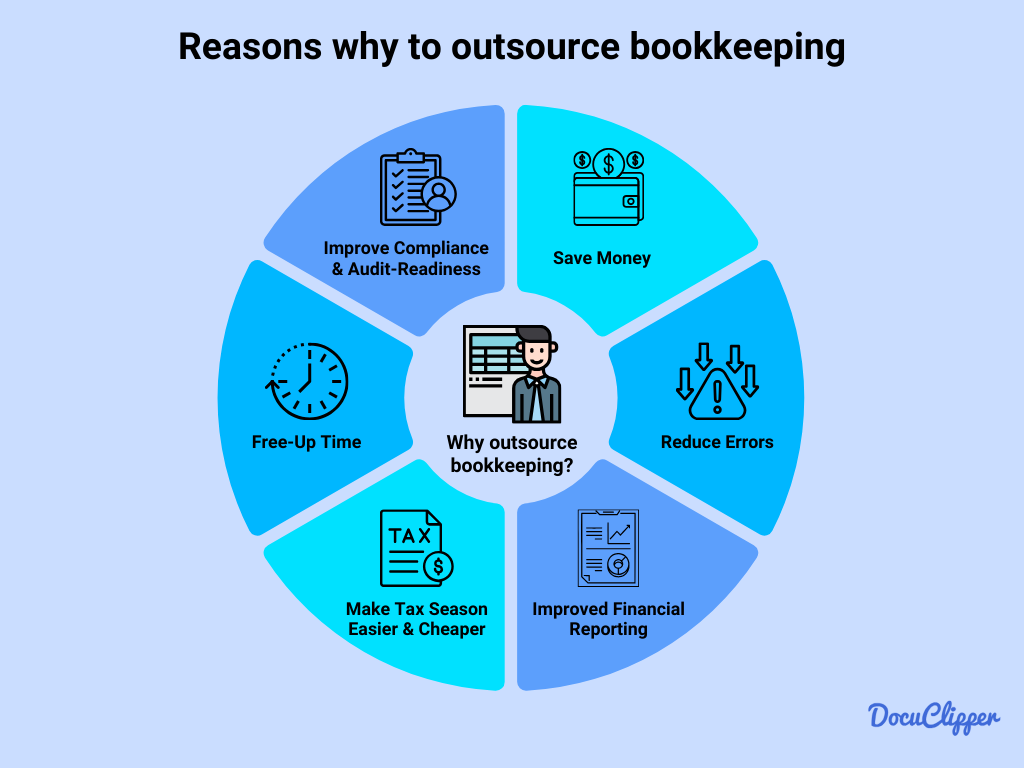
If that sounds familiar, you are not disorganized. You are running a business, and bookkeeping has a way of turning into a second job. The core issue is simple. Your financial records need steady attention, accuracy, and time. Most owners do not have enough of all three. That is why so many companies turn to outsourced bookkeeping services. They get cleaner records, fewer errors, better visibility, and more time to focus on the work that actually brings in revenue.
Outsourcing bookkeeping gives business owners their time back
Bookkeeping is repetitive, detail-heavy work. Transactions need to be categorized correctly. Accounts need to be reconciled. Reports need to match reality, not guesswork. When you handle that yourself, it often gets pushed to nights, weekends, or the end of the month when you are already drained.
The cost is bigger than lost hours. When bookkeeping is always hanging over you, it creates low-grade stress that follows you through the week. You might be wondering if you missed an expense, if cash flow is tighter than it looks, or if tax season is going to turn into a scramble again. That pressure affects decisions.
Outsourcing removes that constant backlog. A dedicated professional or team handles the routine work on a set schedule, and you stop carrying every financial task in your own head. That shift is one of the clearest benefits of outsourcing bookkeeping. You free up time for sales, hiring, service delivery, and planning.
Professional bookkeeping reduces costly mistakes
Small errors in the books rarely stay small. A duplicate expense entry can distort your reporting. Misclassified transactions can create tax issues. Missed reconciliations can hide fraud, subscription creep, or cash flow problems for months.
The IRS expects businesses to keep accurate records, and its guidance on recording business transactions makes that clear. Good records support deductions, back up income reporting, and help you respond if questions come up later. The IRS also outlines basic recordkeeping expectations in Publication 583, which many owners do not read until they are already behind.
That is where outsourced support helps. Bookkeepers work inside the details every day. They are more likely to catch inconsistencies early, keep reports current, and maintain the documentation your business needs. You still own the decisions, but those decisions are based on cleaner numbers.
Picture a business owner who thinks margins are solid because revenue looks strong. Then unpaid invoices, uncategorized expenses, and old bank items finally get cleaned up, and the picture changes. Profit was thinner than expected, and pricing needed to change months ago. Accurate bookkeeping does not just prevent errors. It prevents false confidence.
Outsourced bookkeeping improves cash flow visibility
Revenue alone does not tell you whether your business is healthy. You need to know what is coming in, what is going out, what is overdue, and what obligations are approaching. Without current books, cash flow becomes a guessing game.
This is one of the main reasons many owners seek bookkeeping outsourcing. They want timely reports they can actually use. When your books are updated consistently, you can spot late-paying customers, rising expenses, seasonal dips, and patterns that need attention before they become emergencies.
That kind of visibility helps with practical choices. Can you afford to hire? Is it time to cut a service that is not profitable? Should you delay a purchase until receivables come in? Those decisions get easier when the numbers are current instead of two months behind.
Scalable bookkeeping support fits business growth
The bookkeeping system that worked when you had five clients often breaks when you have fifty. More transactions, more payroll complexity, more software, and more reporting demands create friction fast. If your process depends on one overwhelmed owner or office manager, growth starts to feel messy instead of exciting.
Outsourcing gives you support that can expand with the business. You may need basic monthly reconciliations now, then add accounts payable support, reporting, or cleanup work later. That flexibility matters because growth is rarely smooth.
It also gives you access to outside guidance. The Small Business Administration offers business management resources for owners who are trying to build stronger systems. Financial organization is part of that. A business can survive messy books for a while, but it is harder to grow with confidence when the foundation is shaky.
DIY bookkeeping and outsourced bookkeeping produce very different outcomes
| Area | DIY Bookkeeping | Outsourced Bookkeeping |
|---|---|---|
| Time commitment | Often handled after hours or delayed during busy periods | Completed on a regular schedule by a dedicated provider |
| Accuracy | Higher risk of misclassification and missed reconciliations | More consistent review and error detection |
| Cash flow visibility | Reports may be outdated or incomplete | Current records support faster decisions |
| Tax readiness | Documents and categories may need cleanup later | Books are usually better prepared for tax filing support |
| Scalability | Becomes harder as transaction volume grows | Support can expand with business needs |
Clear steps help you decide what to do next
Review where bookkeeping is breaking down. Look at the last three months. Are reconciliations late, invoices outstanding, reports unclear, or expenses uncategorized. Pinpoint the actual bottleneck. You cannot fix what you describe too vaguely.
Estimate the cost of doing it yourself. Count your hours, then add the risk of mistakes, late filings, missed deductions, and delayed decisions. Many owners compare service fees to software costs and forget to price their own time.
Organize the records a bookkeeper would need. Gather bank statements, credit card statements, payroll records, prior tax returns, and access to your accounting software. Even if you are not ready to hand it off today, this step shows you how much is scattered and what needs attention first.
Better bookkeeping creates breathing room
You do not need to keep proving you can do every part of the business alone. At some point, handling your own books stops being efficient and starts getting expensive. That is why businesses outsource their bookkeeping needs. They want reliable numbers, steadier operations, and fewer surprises.
If your books are behind or your reports do not feel trustworthy, now is a good time to get support for your bookkeeping. Clean records give you more than compliance. They give you room to think clearly and run the business with less strain.