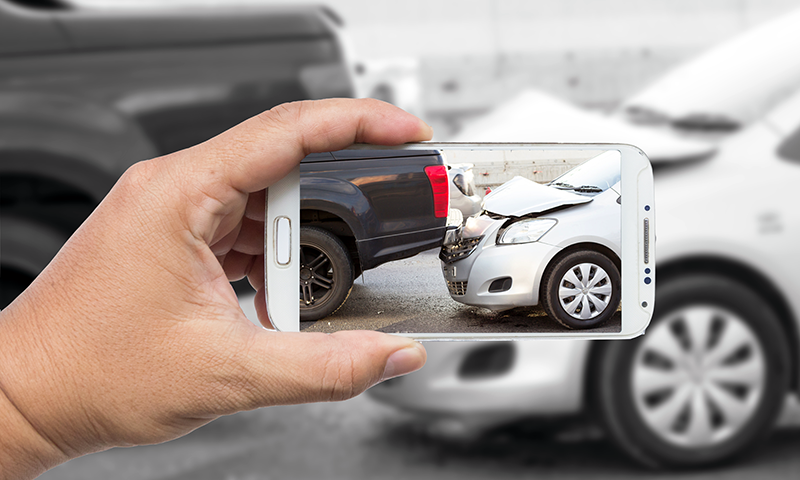
After a serious car accident, the scene can change within minutes. Vehicles move, debris is cleared, witnesses leave, and weather alters road conditions. Clear documentation preserves details that police reports and later memories cannot capture alone. Photos, videos, contact details, medical observations, and vehicle data answer different questions about the crash. Knowing what to record helps an injured person preserve evidence without delaying emergency care or interfering with traffic control. The next step that injured parties take must focus on the records that matter most.
A serious crash raises questions about fault, injury timing, missing footage, and insurance statements. For residents in Florida and nearby areas, a Wesley Chapel car accident lawyer can explain which records must be promptly preserved, especially when injuries prevent someone from documenting everything personally. Legal counsel also helps separate factual notes from assumptions, protect private communications, and identify evidence that could disappear before a claim develops.
- Photograph the Entire Accident Scene
Take wide-angle photographs before moving a vehicle, if possible, given traffic conditions and medical needs. Capture the road layout, lane markings, traffic signals, signs, shoulders, nearby intersections, and visible obstructions.
Take close-up images of vehicle damage from several angles. Photograph broken glass, detached parts, deployed airbags, tire marks, fluid leaks, and debris on the roadway. Include images showing where each vehicle stopped after the collision.
Lighting and weather conditions also matter. Record rain, standing water, fog, glare, darkness, damaged streetlights, construction materials, and blocked sightlines. These details can explain why one driver saw, or failed to see, another vehicle.
- Record Witness and Driver Information
Collect each driver’s name, phone number, address, license information, insurance details, and vehicle description. Note the make, model, color, license plate number, and visible damage on every vehicle involved in the accident.
Ask witnesses for their names and contact information before they leave. Record where each person stood, what they observed, and whether they captured photographs or video. Do not pressure anyone to assign fault or agree with another person’s account.
Write down the responding officers’ names, badge numbers, and agency information. Request the crash report number and learn how to obtain the completed report. The report might take time to become available, so the reference number helps track it.
- Preserve Video and Electronic Evidence
Look for cameras installed near businesses, homes, traffic signals, parking facilities, and other vehicles. Note each possible source and its location, then promptly share that information with an attorney or investigator.
Save dashcam footage in its original format. Do not crop, filter, rename, or overwrite the recording. Preserve the entire file because footage before and after impact can establish speed, traffic movement, and driver behavior.
Vehicle event data recorders can store information about speed, braking, seat belt use, and impact forces. Consider evidence preservation before authorizing repairs, salvage disposal, or data retrieval. An insurer or repair facility could alter physical or electronic evidence.
- Document Injuries and Immediate Symptoms
Photograph visible injuries as soon as practical, then continue documenting bruising, swelling, cuts, burns, and changes in mobility. Use consistent lighting and retain the original images with their timestamps.
Write a short symptom log after leaving the scene. Record pain, dizziness, numbness, confusion, limited movement, headaches, or other changes. Include when symptoms appeared and whether they affected sleep, work, driving, or daily activities.
Seek medical evaluation promptly, even when symptoms seem manageable. Save discharge papers, prescriptions, test results, appointment records, and treatment instructions in a secure file. Medical documentation helps link reported symptoms to the collision and records how injuries develop.
- Keep a Written Account of the Collision
Write a factual account while memories remain fresh. Include the route, direction of travel, approximate speed, traffic conditions, signal status, sounds, impact location, and events that occurred immediately afterward.
Separate observations from guesses. A note stating, “The other vehicle entered the intersection after the signal changed,” is more useful than, “The other driver was reckless.” Avoid admitting fault at the scene or during early insurance conversations.
Record every later communication about the crash. Save emails, letters, claim numbers, requests for recorded statements, repair estimates, and messages from insurers. Do not delete photographs, videos, medical records, or notes, even if they seem repetitive.
- Protect Evidence Without Creating New Risks
Personal safety comes first. Nobody should stand in traffic, approach an unstable vehicle, move injured people unnecessarily, or delay emergency treatment to collect photographs. Call 911, follow dispatch instructions, and tell responders about every injury or hazard. If injuries prevent documentation, ask an uninjured passenger or trusted person to preserve photographs and contact details.
Keep the damaged vehicle available for inspection before repairs begin. Keep personal property removed from the vehicle intact. This includes child seats, helmets, damaged clothing, and broken devices. These items can show impact forces and injury mechanisms.
Conclusion
Scene documentation should create a reliable record of conditions, people, injuries, and evidence before those details change. Photographs should show context, witness notes should preserve observations, and electronic files should remain untouched.
Medical records and symptom logs should be maintained at every stage throughout the legal process. Saving all materials in a single secure folder is necessary. Also, avoid discussing fault publicly, and seek legal guidance before giving a recorded statement to insurers.