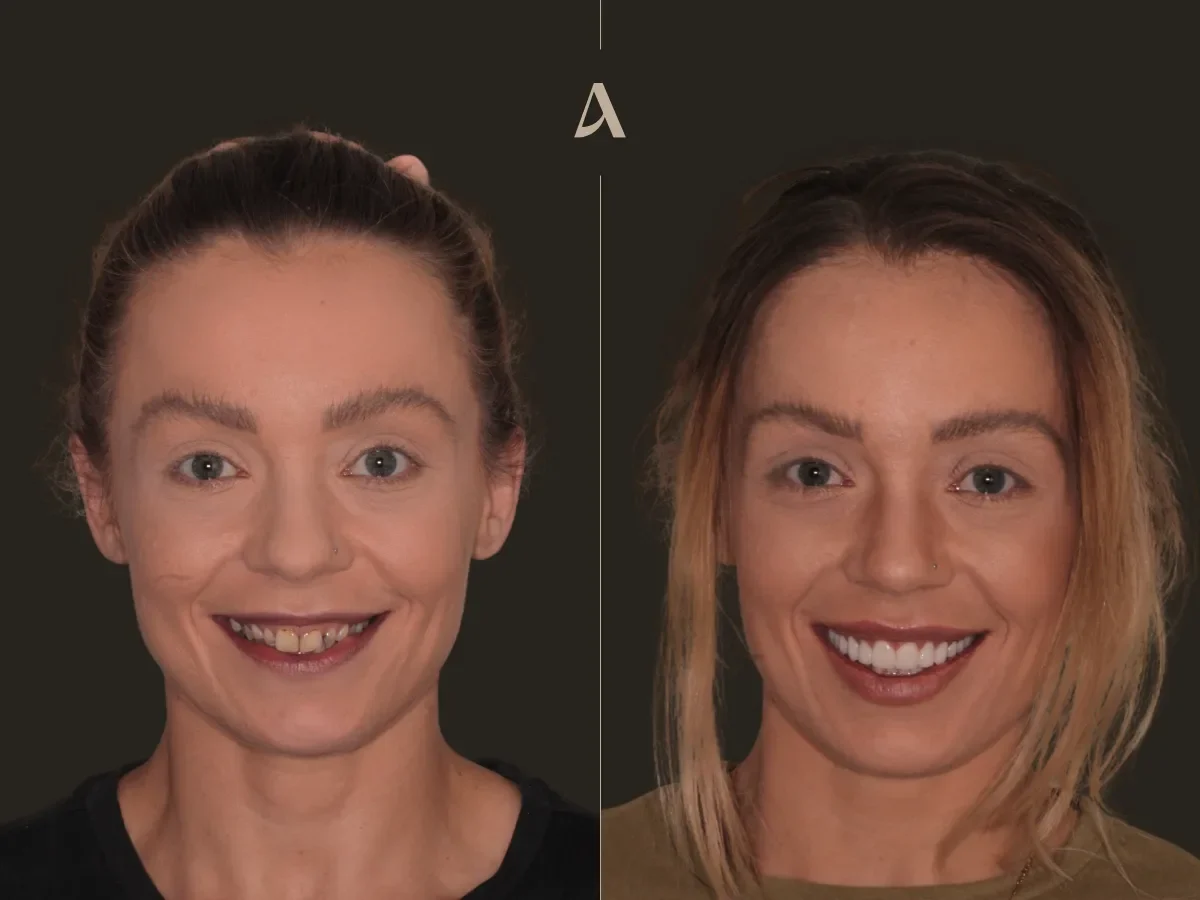
You may have noticed it slowly. Your front teeth look shorter in photos. The edges seem flatter. One tooth chips, then another starts to feel thin or sensitive, and suddenly you are wondering when your smile changed. If you are looking for a dental office in Castroville, TX, that shift can feel unsettling because tooth wear from grinding often happens a little at a time, then all at once.
Years of grinding can change the shape of your teeth, strain your jaw, and leave you with a bite that no longer feels natural. A family and cosmetic dentist usually looks at both sides of the problem. One side is damage control, stopping the grinding from doing more harm. The other is rebuilding what has been worn down, so your teeth work well and look like your teeth again.
Tooth grinding changes more than appearance
Grinding, also called bruxism, puts repeated force on enamel, the outer layer of the tooth. Over time, teeth can become shorter, flatter, and more uneven. The National Institute of Dental and Craniofacial Research explains that bruxism can lead to worn tooth enamel, increased tooth pain, and fractured teeth. That matters because once enamel is lost, your teeth have less protection.
You might also notice symptoms that do not seem connected at first. Morning jaw soreness, tension headaches, neck pain, and sensitivity to cold foods often show up alongside tooth wear. MedlinePlus notes that teeth grinding can damage teeth and cause jaw discomfort, which is why dentists do not treat this as only a cosmetic issue.
That is where the approach becomes more nuanced. A general dentist often starts by checking your bite, wear patterns, jaw joints, and any cracked fillings or teeth. A cosmetic dentist looks at those same findings and adds another layer, how to restore tooth length, symmetry, and a natural smile line. In many practices, one dentist handles both roles.
General and cosmetic dentists treat the cause and the worn tooth shape
When teeth have changed after years of clenching or grinding, treatment usually begins with diagnosis. The dentist checks whether the wear is mostly from grinding, acid erosion, or a mix of both. The University of Bristol describes tooth wear as the loss of tooth substance by processes other than decay, and that distinction matters because the repair plan depends on why the teeth changed shape.
If the grinding is active, a night guard is often part of the plan. It does not cure grinding, but it can reduce further wear and protect new dental work. If stress, sleep issues, or bite imbalance are contributing, your dentist may suggest medical follow up or bite adjustments when appropriate.
Repair options depend on how much tooth structure is left. Minor flattening may be treated with bonding to rebuild edges and restore contour. Moderate wear may call for veneers on front teeth, especially when shape and visible symmetry are the main concern. More advanced wear often needs crowns or onlays to restore function, bite height, and strength. If several teeth have been affected, the dentist may phase treatment so your bite is rebuilt in a stable way rather than fixing one tooth at a time and hoping everything settles.
This is why tooth wear from grinding treatment is rarely one quick fix. If a worn front tooth is lengthened without managing the grinding, it may chip again. If a back tooth is crowned without addressing a collapsed bite, the pressure on that crown may be too high. Dentists who treat these cases well are thinking about force, function, and appearance at the same time.
Different restoration choices fit different levels of grinding damage
| Option | Best For | What It Addresses | Limits to Know |
|---|---|---|---|
| Night guard | Active grinders with mild to severe wear | Helps protect teeth and dental work during sleep | Does not reverse existing shape loss |
| Bonding | Small chips, shortened edges, minor unevenness | Restores shape quickly and conservatively | Can stain or chip under heavy grinding |
| Veneers | Front teeth with visible wear and cosmetic concerns | Improves length, color, and symmetry | Needs careful case selection if grinding is strong |
| Crowns or onlays | Teeth with major wear, cracks, or weakened structure | Rebuilds strength and bite support | More involved and usually higher cost |
| Full bite rehabilitation | Multiple worn teeth and changed bite height | Restores function, comfort, and smile balance | Takes planning, time, and staged treatment |
For some people, the biggest concern is appearance. For others, it is the fear of more breakage and larger bills later. Both are valid. A small repair now can sometimes prevent a larger reconstruction later, especially when the dentist catches cracks, bite instability, or thinning enamel before a tooth fails.
Dental treatment for worn down teeth works best when you act early
Waiting is common because the change feels gradual, and many people assume grinding is just part of stress or aging. The problem is that teeth do not grow back. The longer the wear continues, the more likely you are to lose enamel, expose dentin, and develop sensitivity or fractures. What started as a cosmetic annoyance can become a functional problem that affects chewing, speech, and comfort.
A dentist providing cosmetic dentistry and general care will usually prioritize the most at risk teeth first, then build a plan around your goals and budget. That may mean protecting your teeth with a guard now, repairing one chipped edge next, and planning larger cosmetic or restorative work later. Good treatment planning does not force everything at once.
Three steps you can take right away
1. Book an exam focused on grinding and tooth wear. Ask for an evaluation of bite changes, worn edges, cracks, and jaw symptoms. If your teeth look shorter or flatter than they used to, say that clearly.
2. Track the signs you notice at home. Pay attention to morning jaw pain, headaches, tooth sensitivity, broken fillings, or a partner hearing grinding at night. Those details help the dentist connect the pattern faster.
3. Protect your teeth before cosmetic repair. If grinding is active, ask whether a custom night guard should come before bonding, veneers, or crowns. Protecting the result is part of the treatment, not an extra.
Restoring tooth shape after grinding is possible
If your teeth have changed after years of grinding, you are not stuck with the damage. Dentists treat this every day, and the right plan can protect what remains, rebuild what has been lost, and make your bite feel stable again. The best next step is a dental evaluation that looks at both function and appearance, so the repair lasts and your smile feels like yours again.